

When the weather is cold, adding a heating system to a caravan is just as important as adding an air conditioner during a summer trip. Such electronics now cost less than it does to meet every traveler’s needs.
Installing one on your caravan is easier with the help of experts. Also, maintenance for caravan heating is vital to fully enjoy its benefits.
Different Types of Caravan Heaters
Which of the four heating systems—portable heaters, electric heaters, gas heaters, or diesel heaters—can keep your van warm?
To get started, portable heaters require additional work than gas and diesel warmers which have independent systems to heat RV insides. To quickly determine which one is superior, keep an eye on the advantages and disadvantages of each type. The truth is, nobody is superior to the next as the decision relies upon your specific needs.
Portable Caravan Heater
Start with the cheapest heating system for caravans, the portable heater. It won’t take up more space and is available for home use. Make a safe space on a bench for the heater instead of near the floor to avoid possible danger.
A portable heater with an effective fan heater should not cost more than $40. To begin functioning, it requires access to a 240-volt power supply, depending on the type. Avoid using the entire RV system’s capacity by running high-current-draw items alongside the heater to ensure safety.
The most fuel-efficient portable heaters are diesel-powered that only require 12 volts of power for occasional use. Even though electric options seem to be less expensive, they cannot work with a solar panel because they need more power.
Electric Caravan Heater
Air conditioning with a reverse cycle is a versatile way to keep your RV dry and cool at the same time. The device has a risky roof lifting mechanism that prevents it from lifting additional weight during installation. If the layout allows for it, the unit could be installed underneath a bed or seats.
Reverse-cycle air conditioning can provide warmth overnight, which is a positive feature. All you have to do to get started is set the temperature to the level of heat you want. Now, the disadvantages of air conditioning are as follows:
- The delivery of heat in an RV begins shortly after, which is not ideal for the majority of campers. Additionally, only 240v AC power is compatible with it.
- The system’s operation may be noisy.
- The cost of installing the air conditioner increases as a result of the requirement for an authorized electrician.
- Before going on a trip to use the reverse-cycle air conditioning, you must find a powered location.
- Since a lithium power system is more expensive than a power grid, it costs more.
- Another option is to use a generator, which is very expensive. A 2000-dollar 2.4kVa generator is required for an air conditioner. The campers experience so much stress as a result.
- Gas Caravan Heater
Gas heaters are the best option for warming larger RVs. The system is quiet and needs 12 volts of power to function. It also makes the RV’s fan and control unit work so well to produce heat. The gas heater runs on clean fuel which is often used for other home utilities.
Gas heaters can provide heat in two weeks and are energy and fuel-efficient. With a low current, a 9-kilogram bottle of clean fuel can last for weeks. In contrast to cities, gas bottle refills in remote areas cost more.
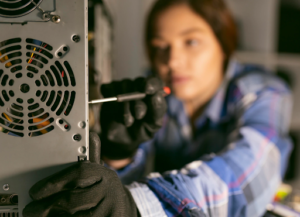
To prevent gas line leaks, a licensed gas fitter must install the heater. They have knowledge of how to safely install the heating system on RVs. That being said, do not install a gas heater near a door, window, or other gas appliances for better safety.
Diesel Caravan Heater
The final choice for a caravan heater is ideal for DIYers because it does not require the help of licensed installers. It is a heating unit that is compact and easy to use. It is intended for a tow vehicle that uses the same fuel and 12-volt power.
The pump’s noise can be reduced by using an insulated exhaust muffler or intake silencer. It is a good idea to bring extra diesel fuel with you on trips, as well as a jerry can for filling up the heater.
However, diesel fuel has a stronger odor and is more likely to stain things than gasoline fuel. The formation of carbon deposits in the chamber may also result in a decrease in heating performance.
Burning the deposits is aided by operating the system at maximum heat for at least an hour. The diesel heater’s features can only be enhanced with regular maintenance. The glow pin is cleaned to get rid of the carbon deposits that are stuck in the chamber. In addition, check the exhaust lines at least twice a year and replace the fuel filter.
Final Thoughts
With the right heaters, you can stay warm while traveling in a caravan. There are four different kinds of caravan heaters on the market; choose one that fits your RV model. Keep a budget in mind and make sure to buy a high-quality device to ensure safety and comfort. To get started and avoid any problems during the trip, better contact a professional installer.
